How UK Crypto Casino Operators Are Investing in Biogas and Renewable Energy to Power Sustainable Data Centres in 2026
How UK Crypto Casino Operators Are Investing in Biogas and Renewable Energy to Power Sustainable Data Centres in 2026
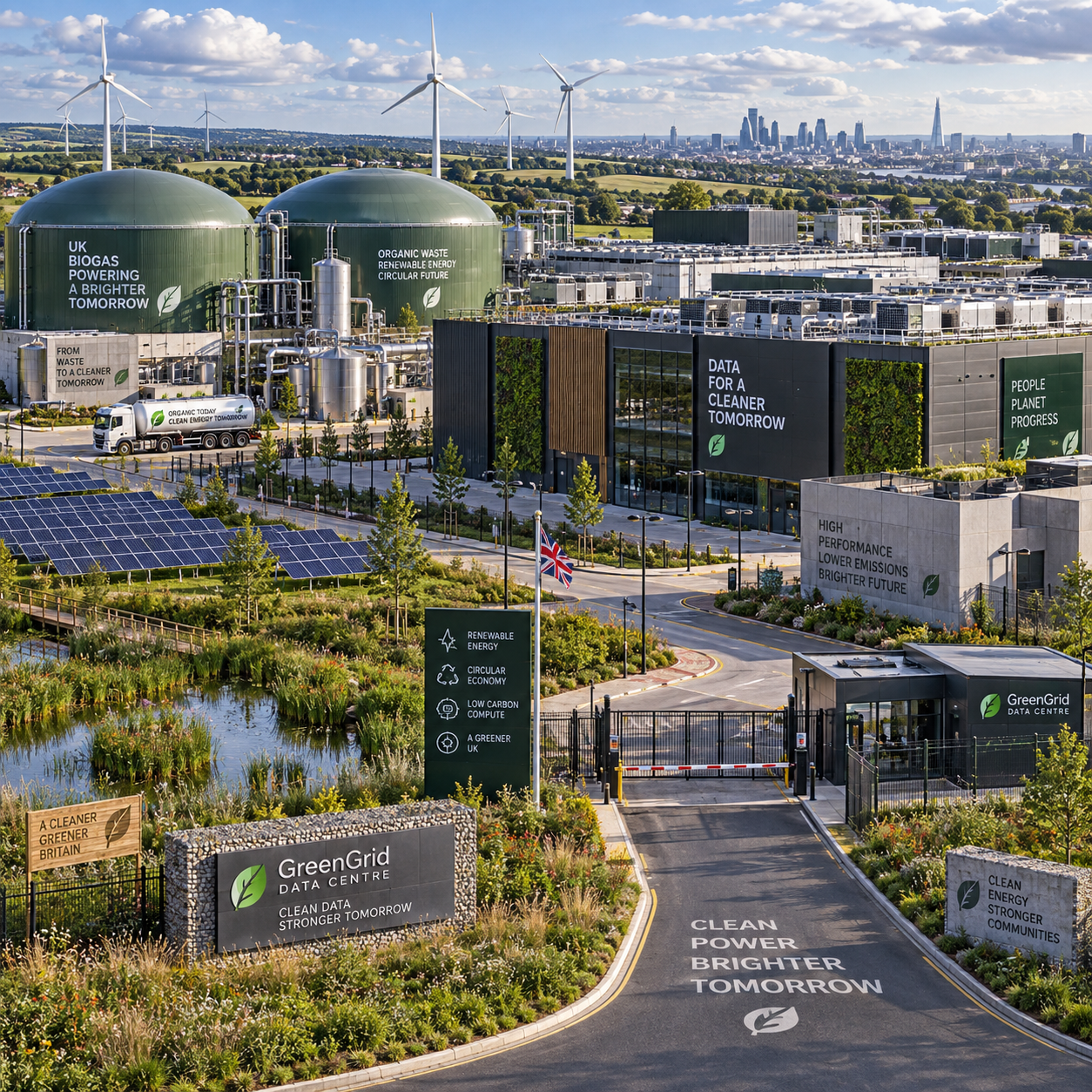
I've spent a good chunk of this year talking to engineers, compliance officers, and a fair few sceptical investors about where the UK's online gambling industry is heading energy-wise, and honestly, 2026 feels like the year the conversation shifted from 'should we?' to 'how fast can we?' Blockchain-powered betting platforms have exploded in popularity, but that growth has come with a hidden bill: an enormous appetite for electricity to keep servers humming around the clock. Regulators are watching, players are asking harder questions, and ESG-focused investors simply won't touch operators who can't show a credible path to decarbonisation. Biogas and renewable energy have quietly become the industry's most practical answer.
The Energy Footprint of Online Gambling Platforms
It's easy to underestimate just how power-hungry a modern blockchain betting platform actually is. Every wager involves cryptographic verification, real-time odds calculation, live-streamed dealer feeds, and instant payment settlement—often across multiple blockchains simultaneously. None of that happens on a laptop tucked in a back office. It happens across sprawling server farms that never switch off, because players in different time zones expect 24/7 uptime, and downtime means lost revenue and reputational damage.
Why Data Centres Are the Hidden Cost of Digital Betting
Break down the tech stack behind any decent-sized platform and you'll find three big energy sinks: the servers themselves, the cooling infrastructure needed to stop them overheating, and the network hubs that shuttle data between users, payment processors, and blockchain nodes. Cooling alone can account for a huge slice of total consumption, particularly in older facilities that weren't designed with efficiency in mind. Add in redundant backup systems—because nobody wants a platform crashing mid-jackpot—and you start to see why energy bills for these operations rival those of small manufacturing plants.
Regulatory and Market Pressures Driving Green Investment
The UK has never been shy about setting ambitious climate targets, and Ofgem's net-zero commitments are increasingly filtering down into sector-specific expectations. The UK Gambling Commission hasn't traditionally been an environmental regulator, but licensing conditions are starting to reference sustainability practices more explicitly, partly in response to public pressure. Players themselves are noticing too—there's a growing segment of customers who actively choose platforms with visible environmental commitments over ones that don't bother. When an industry already faces scrutiny over blockchain's energy reputation, ignoring these signals simply isn't a viable long-term strategy anymore.
Biogas as a Practical Renewable Solution for Data Centres
Solar and wind get most of the headlines, but they come with an obvious limitation: intermittency. Data centres need constant, predictable power, and that's precisely where biogas earns its place. Anaerobic digestion converts organic waste—agricultural residue, food scraps, farm slurry—into methane-rich gas that can generate electricity around the clock, regardless of weather. It's also inherently circular: waste that would otherwise rot in landfill becomes a genuine energy asset, and biogas facilities can be sited in rural areas near data centres without competing for prime urban land.
How Biogas Plants Integrate with Data Centre Operations
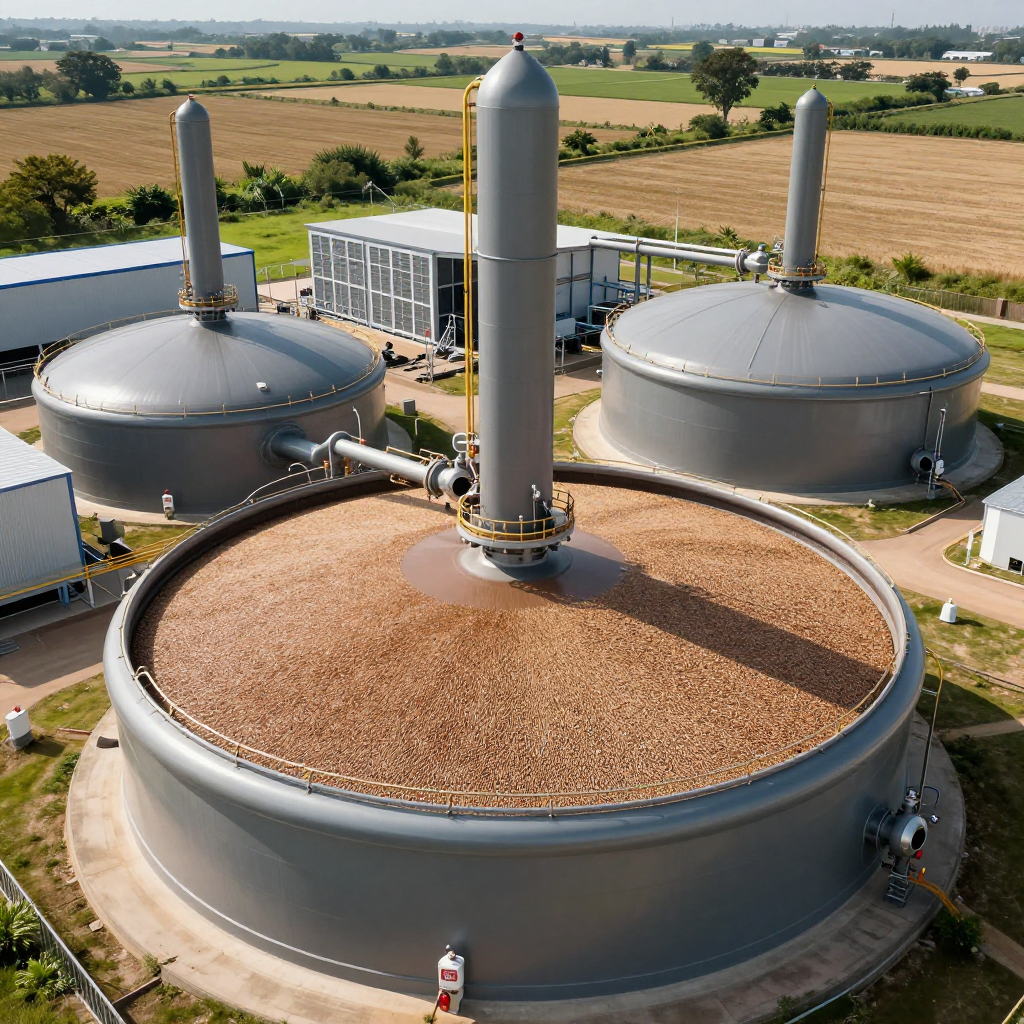
The most efficient setups I've come across use combined heat and power (CHP) systems, where the electricity generated by burning biogas also produces usable heat for on-site facilities or nearby industrial processes. Some operators are exploring dedicated on-site generation, effectively running a small biogas plant right next to their server halls, which cuts transmission losses and gives them a genuine hedge against grid price volatility. Others feed excess capacity back into the grid, helping balance demand during peak periods—a neat bit of symbiosis between digital infrastructure and rural energy production.
Case Study — UK Operators Embracing Sustainable Infrastructure
What's genuinely encouraging is watching forward-thinking UK-based crypto casino platforms move beyond token gestures and actually partner with biogas innovators and renewable energy developers to power their server infrastructure. These aren't just PR exercises—operators are commissioning feasibility studies, negotiating power purchase agreements with small-scale digestion facilities, and in some cases co-investing in new plants specifically designed to serve their data centre needs. European research initiatives focused on small-scale, decentralised biogas systems have become an important reference point here, offering models for how micro-generation can be scaled appropriately for mid-sized computing operations rather than requiring industrial-scale infrastructure. UK operators studying these approaches are adapting them to domestic feedstock availability and planning frameworks, essentially importing proven European methodology into a distinctly British regulatory context.
Benefits Beyond Compliance — Reputation, Cost, and Resilience
There's a solid business case underpinning all this, separate from any regulatory stick. Long-term energy costs drop once you're not entirely at the mercy of wholesale electricity markets, which have been famously volatile in recent years. Brand differentiation matters too—in a crowded gambling tech market, being able to genuinely claim sustainable operations sets a platform apart from competitors still relying purely on grid electricity. Investors increasingly screen for exactly this kind of commitment, and energy independence provides a resilience buffer against the kind of supply shocks that have rattled other sectors. Sustainability, in short, has quietly become a competitive edge rather than just a compliance checkbox.
Challenges and Best Practices for Adopting Renewable-Powered Data Centres
None of this is without friction, of course. Capital investment for biogas infrastructure isn't trivial, planning permissions for new energy facilities can drag on for months, and securing reliable feedstock supply chains requires genuine agricultural partnerships rather than a one-off contract. The operators getting this right tend to follow a few consistent practices:
- Phased rollouts that pair a portion of server capacity with renewable sources before scaling further
- Public-private partnerships that share risk and speed up permitting processes
- Independent third-party sustainability audits to validate claims and build investor confidence
- Diversified energy sourcing that blends biogas with solar or grid-balanced renewables for redundancy
Rushing the process without these safeguards tends to produce half-finished projects that look good on a press release but don't actually deliver reliable power.
Conclusion
Looking back at where this industry stood even a couple of years ago, the shift happening right now feels significant. 2026 is shaping up as the year UK crypto casino operators stopped treating sustainability as an afterthought and started building it into the core of their infrastructure strategy. Biogas and renewable energy aren't just satisfying regulators or ticking ESG boxes anymore—they're becoming genuine competitive advantages in a sector that desperately needed a better environmental story. If this momentum holds, there's a real chance the UK's gambling tech sector could end up as an unlikely model for green digital infrastructure well beyond its own industry.
 +
+